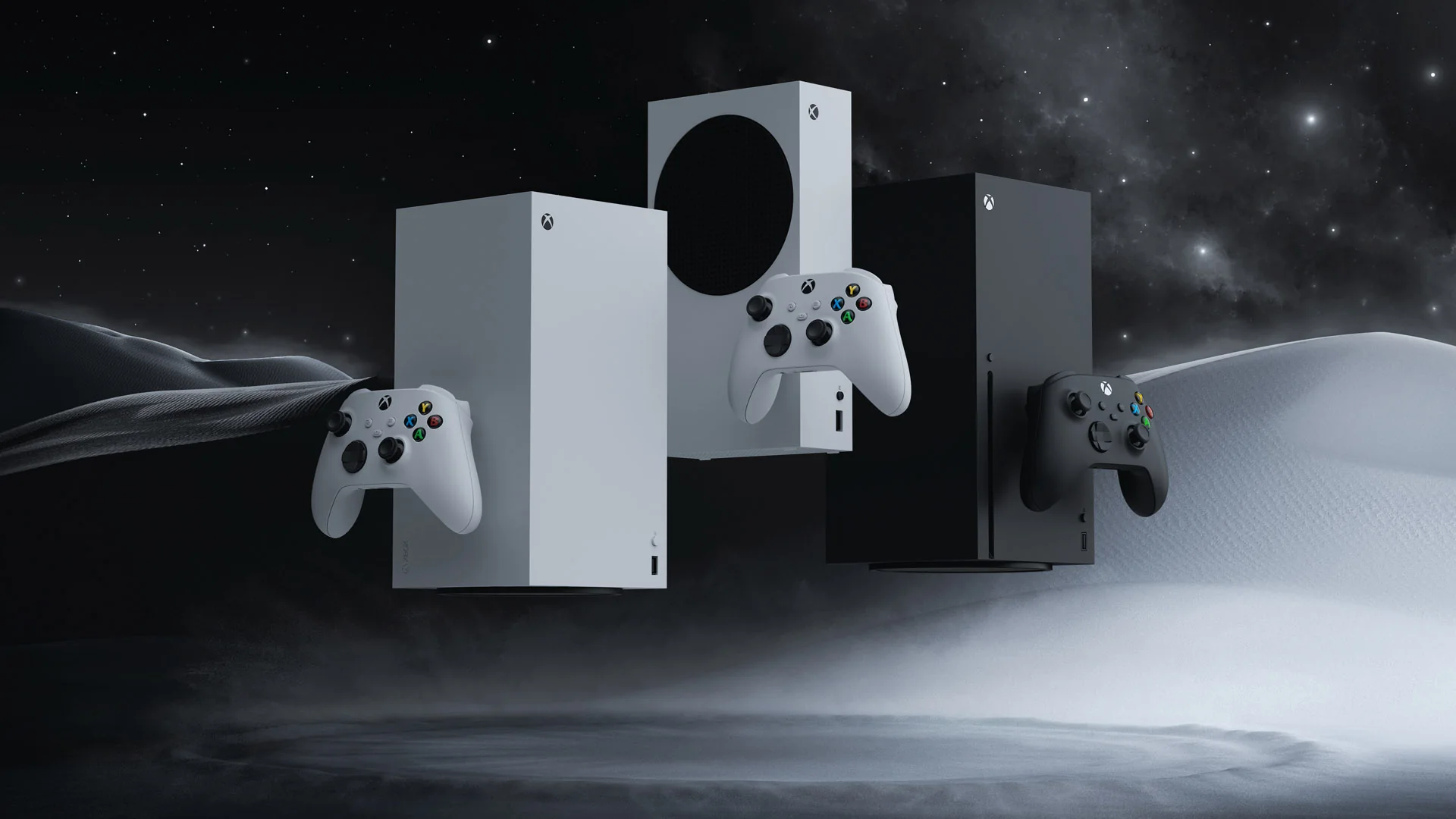
Short Xbox Game Pass games can deliver a complete evening-sized experience, but “under five hours” is an estimate, not a guarantee. In our US catalog snapshot on August 11, 2026, strong candidates included INSIDE, Little Kitty, Big City, Kabuto Park, Minami Lane, MULLET MADJACK, Sea of Solitude, Joy Ride Turbo, and Quake. Each was tracked with a main play-time estimate of five hours or less.
The right pick depends on what “finished” means to you. Reaching credits differs from collecting every achievement, finding every secret, or mastering a replayable arcade game. This guide groups candidates by mood and explains how to budget time. Check the live Game Pass catalog before downloading because plan, platform, region, and leaving status can change after this snapshot.
Quick shortlist table
These are starting points from the current US catalog, ordered by the kind of evening they suit rather than pretending a one-point review-score difference decides your taste. “Time” is the stored main-path estimate. Add a buffer if you explore, struggle with combat, pause frequently, or want achievements.
| Game | Estimated main time | Best for |
|---|---|---|
| INSIDE | 4 hours | Dark cinematic puzzle-platforming |
| Little Kitty, Big City | 3 hours | Playful exploration |
| Kabuto Park | 2 hours | Relaxed bug collecting |
| MULLET MADJACK | 3 hours | Fast action |
| Sea of Solitude | 3 hours | Emotional narrative adventure |
| Minami Lane | 3 hours | Cozy management |
| Quake | 5 hours | Classic first-person shooting |
| Joy Ride Turbo | 2 hours | Arcade racing sessions |

Do not read the table as eight guaranteed 100% completions. Quake and Joy Ride Turbo can continue through difficulty, multiplayer, repeat play, or optional goals. A compact main path means you can reach a meaningful endpoint quickly; it does not cap the value. Check the linked page and signed-in listing for current plan/platform access.
Best short story and atmosphere picks
INSIDE is the strongest “one dark evening” choice. Its environmental puzzles and visual storytelling move with little exposition, so most of your time is active observation and escape. The four-hour estimate leaves room for a break, but its tension works especially well in one or two focused sittings. Choose it for ambiguity and striking direction, not a comforting resolution.
Little Kitty, Big City offers the opposite mood. The tracked three-hour path suits players who want playful movement, small objectives, and a city that rewards curiosity. Exploration can expand the runtime, which is a feature rather than a failure: follow the main goal tonight and return for optional discoveries later. It is safer when a workday leaves little appetite for punishment.
Sea of Solitude uses a roughly three-hour structure for a heavier emotional journey. Pick it because you want theme and atmosphere, not because you are racing a Gamerscore target. Its subject matter can feel intense even when the mechanical commitment is modest, so “short” should not be confused with “light.”
If Firewatch appears for your account, it is another dialogue-led evening candidate in our data. Before starting any narrative game against a leaving deadline, budget an extra hour. Cutscenes, exploration, accessibility settings, and your willingness to sit with the story can push a nominal four-hour experience beyond a rigid window.
Best short action and arcade picks
MULLET MADJACK is the high-energy option. Its three-hour estimate fits the keyword, but the appeal is intensity and repeatable improvement rather than merely watching credits arrive. Choose it when you want immediate momentum and are comfortable learning through fast failure. A player acclimating to its pace may exceed the estimate; someone replaying for cleaner runs can spend far longer by choice.
Quake sits on the five-hour boundary in our catalog. It shows why estimates need labels: a direct main route on a comfortable difficulty differs from exploring levels, playing expansions, raising difficulty, or entering multiplayer. Pick it for classic movement and shooting, but do not schedule completion in exactly five free hours with no buffer.
Joy Ride Turbo works better as a short-session recommendation than a story to finish. The two-hour stored estimate shows how quickly you can sample its central offering, while racing remains replayable. It is useful when friends want something immediate, or when you have twenty minutes rather than an uninterrupted evening.
The same logic applies to fighters and score-driven games. A short arcade ladder is not the same product as a short authored story. Decide whether your goal is credits, a satisfying taste, or full achievement completion before comparing times. Difficulty selection and restarts usually create the widest gap between database estimate and personal result.
Best cozy, puzzle, and low-pressure picks
Kabuto Park is the smallest commitment in this shortlist at about two hours. Xbox's indie coverage presents it as a short, relaxing bug-collecting experience. That makes it suited to an evening when discovery sounds appealing but a sprawling checklist does not. Optional collecting may lengthen the session, so stop treating the estimate as a deadline once curiosity takes over.
Minami Lane offers compact neighborhood management in an estimated three-hour main path. It suits players who enjoy tuning a small system, watching residents respond, and iterating without learning a giant strategy rulebook. Management invites replay and optimization, however; reaching an endpoint and perfecting every scenario are different goals.
Puzzle and cozy games look safe for a five-hour window, but they have their own variables. One stubborn puzzle can add an hour, while an experienced player may move quickly. Decide beforehand whether you will consult a hint after fifteen minutes or insist on solving everything unaided. Neither approach is wrong, but it changes whether the estimate is useful.
For low-energy nights, prioritize readable controls, frequent saves, and clear stopping places over the smallest number. A two-hour game with long unskippable sequences may fit your calendar worse than a five-hour game divided into ten-minute levels. The best short pick respects both total time and how that time is fragmented.
What “under five hours” actually means
Play-time services commonly separate a main story from main-plus-extras and completionist play. Our catalog stores a rounded estimate useful for filtering; it is not a speedrun record or guaranteed achievement completion. Community-submitted data reflects different skills, difficulties, accessibility choices, and amounts of wandering.
- Main path: Reach the central ending while skipping much optional content.
- Main plus extras: Explore meaningful side activities without clearing everything.
- Completionist: Pursue collectibles, endings, challenges, or all achievements.
- Short sessions: A separate quality describing how easily play divides into small chunks.
A five-hour main estimate can become eight hours for an exploratory player. Conversely, a repeatable arcade game may show a short path even though it has no natural point where every player feels “done.” Read the game's structure alongside the number.
This matters most when a title is departing. Check our leaving-soon page, count the evenings remaining, and reserve roughly 25–50% more time than the main estimate. Downloads, updates, failed encounters, and real life all consume the clean five-hour block imagined by a database.
If missing the deadline would ruin the experience, choose a game estimated well below your available time—not one sitting exactly on the boundary.
How to pick one for tonight or a leaving deadline
- Define “finish.” Credits, all achievements, or simply a satisfying session produce different lists.
- Choose your energy. INSIDE or Sea of Solitude asks for emotional focus; Little Kitty, Kabuto Park, and Minami Lane are gentler; MULLET MADJACK and Quake demand sharper reactions.
- Count uninterrupted time. If you have scattered twenty-minute windows, favor levels, runs, or management scenarios over cinematic sequences.
- Add a buffer. For a four-hour estimate, reserve at least five or six unless you already know the genre.
- Verify access now. Confirm plan, platform, region, and any departure date before downloading.
For one free evening, the three-hour tier is the sweet spot: it leaves setup time and room to linger. For a weekend, a five-hour game can breathe across two sessions. If a subscription or title expires soon, pick the shorter confident choice instead of turning leisure into a race.
A game under five hours answers “How soon can I reach an endpoint?” A short-session game answers “Can I enjoy twenty minutes and stop cleanly?” A compact story may use long scenes and sparse checkpoints, while a long racing or management game may deliver a satisfying round before dinner. Choose by the constraint causing the search.
Console Quick Resume can reduce friction for supported local games, but it does not transform every title into a safe interruption point, and cloud sessions should not be treated as permanently suspended. Save manually when possible. Use the Game Pass calendar to verify dates, then choose for enjoyment rather than spreadsheet efficiency.
FAQ
Are these games guaranteed to take less than five hours?
No. They use rounded main-path estimates. Difficulty, exploration, accessibility choices, and optional goals can push a run higher.
Does under five hours mean an easy 100% completion?
No. A short campaign can have demanding achievements, multiple endings, or extensive replay requirements.
Are all listed games available on every plan and platform?
No. The snapshot reflects current US catalog data, but plans and platforms differ. Check each linked page and your signed-in Xbox listing.
How often should I recheck?
Before downloading and again when planning around a deadline. The catalog calendar helps with dates; live Xbox listings remain the final entitlement check.
Bottom line
Start with INSIDE for focused atmosphere, Little Kitty or Kabuto Park for warmth, Minami Lane for compact management, and MULLET MADJACK or Quake for action. Treat every time as an estimate, add a buffer, and verify current access before downloading.
The best short game is not the one with the smallest database number; it is the one you can finish without rushing past what makes it worthwhile. Define your finish line and allow optional play to extend a good evening. If five hours feels too restrictive, browse our broader Game Pass recommendations without a runtime filter.
Example: build a realistic five-hour play plan
Suppose Saturday offers five hours from turning on the device to stopping. Do not select a game with a five-hour estimate and assume it fits perfectly. Reserve thirty minutes for installation checks, updates, sign-in, settings, and learning controls. Keep another thirty to forty-five minutes as a difficulty and exploration buffer. That leaves roughly three hours and forty-five minutes of dependable main-path time.
In that window, a stored two- or three-hour choice is comfortable. Download it earlier, verify the plan and platform, launch once, enable needed accessibility options, and reach the first save. During the real session, schedule one break and decide in advance whether optional collectibles matter. If credits arrive early, use the remainder for extras instead of rushing a longer game.
For a departure deadline, divide the estimate across the actual evenings left and keep the final evening mostly free. A three-hour title can become two ninety-minute sessions plus a buffer night. Check the leaving-soon list before starting, and remember that cloud access can help avoid a download only when the title, account, device, and region support it.
Comments
Comments are reviewed before publication. Please keep the conversation helpful and on topic.
Sign in with Google to leave a comment.
Loading comments…