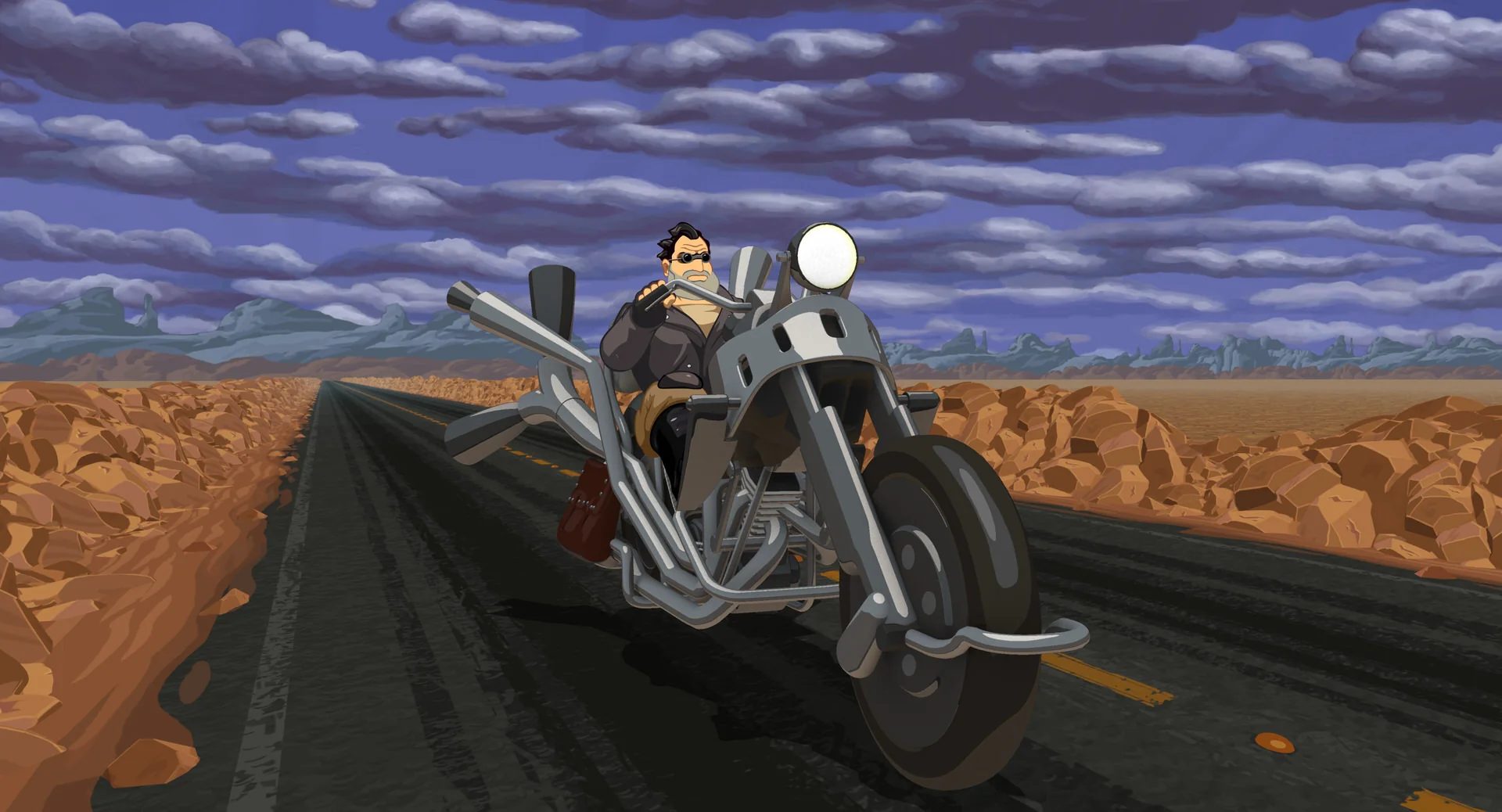
Which Double Fine remasters leave on October 31?
Day of the Tentacle Remastered, Full Throttle Remastered and Grim Fandango Remastered are listed to leave Game Pass on October 31, 2026. Xbox's current announcement names all three across cloud, console and PC. This guide was checked on October 26; it concerns those specific remasters, rather than every game associated with Double Fine.
The official October Wave 2 announcement is the reference for the deadline. Some earlier news titles mention only two Double Fine games. For planning now, use the updated three-title list instead of treating an older headline as a complete inventory.
| Game | Announced departure | Platforms in the notice |
|---|---|---|
| Day of the Tentacle Remastered | October 31, 2026 | Cloud, console and PC |
| Full Throttle Remastered | October 31, 2026 | Cloud, console and PC |
| Grim Fandango Remastered | October 31, 2026 | Cloud, console and PC |
The date is useful, but it is not a published promise of access until a particular midnight in your time zone. If finishing a story matters to you, schedule the last meaningful session before the final day rather than depending on an exact removal hour the announcement does not specify.
Also keep catalog removal separate from a storefront shutdown. A title leaving the subscription does not, by itself, announce that all purchase options are disappearing. Your immediate question is whether you want to finish during included access, buy an appropriate edition to continue, or leave the game for another time.
Our Game Pass leaving-soon page helps track the wider rotation. Use this studio-specific guide to make the three remaster decisions without confusing their October deadline with another game's departure date elsewhere in the same announcement.
If you have already started one of these adventures, begin with your existing save rather than the table's order. A partially completed story may be a better use of the remaining sessions than starting a different title merely because its name appears first. The deadline creates a planning constraint; it does not require turning all three games into a completion checklist.
Double Fine's independence changes the ownership context
It is understandable to associate these games with Xbox's studio catalog. That historical association is not an accurate description of Double Fine's current ownership on its own. The studio has announced a return to independence in 2026, which changes the premise behind the question, “Why would an Xbox-owned studio's games leave?”
The studio is no longer simply a current Xbox first-party example
Double Fine's July 6 statement says the studio is independent again and thanks Xbox for seven years together. It describes an outcome preserving its history and culture and returning ownership of its games. That is direct studio confirmation, rather than a conclusion drawn from a missing Game Pass listing.
Xbox's September 22 restructuring message separately says Double Fine returned to management in August with its intellectual property, back catalog and runway funding. These are differently dated statements about the transition. They establish the current context without requiring readers to invent a single legal completion date from the public wording.
Independence also does not mean the studio's existing Xbox releases cease to be Xbox games. Corporate ownership, where a game is sold and whether a subscription currently includes it are different questions. Keep the distinction when comparing an older recommendation or acquisition-era article with the current departure notice.
Independence does not explain the removal contract
Neither statement identifies the specific contractual reason these three remasters leave on October 31. The independence announcement is relevant context, but it is not proof of a licensing dispute, an expired agreement on particular terms or a decision to remove every Double Fine title.
A careful explanation stops where the evidence stops. We can identify the studio's published status and the games in Xbox's removal list. We cannot reconstruct the private negotiations between those facts or turn their sequence into a confirmed cause. A plausible explanation is still different from an announced explanation.
For players, the practical steps do not depend on solving that business question. Check your title, deadline and purchase route. If the short notice is your main concern, our guide to Game Pass departure notice addresses that broader problem. Use the current three-title notice to plan your remaining sessions while treating wider catalog predictions separately.
Choose a remaster for the experience you want
These departures group together three remasters of LucasArts adventures, rather than three interchangeable new releases. The most useful choice is the story and style you want to spend time with. A deadline is a poor reason to force yourself through a game whose humor, setting or puzzle structure does not appeal to you.
The recommendations below are based on the games' official descriptions and features, not a promise about how quickly every player will finish. If you are still exploring what you like, our Game Pass recommendations provide wider alternatives. Here, the aim is to choose one of these three with a clear reason.
Day of the Tentacle: time travel and interconnected puzzles
Day of the Tentacle Remastered revisits the 1993 cartoon adventure in which three friends work across a time-travel premise to stop a mutated purple tentacle. Its appeal is the relationship between absurd situations and puzzle solving, making it a natural candidate if you enjoy looking for connections rather than following a straightforward action campaign.
The remaster offers updated hand-drawn artwork and audio, with options to switch between classic and remastered presentation. It also includes creator commentary and concept art. For a deadline-driven first play, decide whether you want to experience the story first and return to those extras later; the extra material does not have to become another task before removal.
A useful approach is to keep a short note of each character's current problem and the objects you are considering. That is editorial planning advice, not a puzzle solution. It helps a return session begin with your own reasoning instead of a full walkthrough, which can reveal much more of the game than the one hint you needed.
Full Throttle: a biker story with a different pace
Full Throttle Remastered centers on Ben and the Polecats biker gang, with a story involving motorcycles and murder. The original arrived in 1995. Its remaster combines refreshed artwork and sound with classic-presentation options, creator commentary and a concept-art browser.
Choose it because the biker setting and character-driven adventure appeal to you, rather than because a motorcycle in the artwork suggests an open-world riding simulator. The official page identifies it as an adventure and puzzle game. That genre distinction is useful when deciding what to sample during a limited evening.
If you are returning after a long break, allow yourself time to reconnect with the current scene and story. A game can have a strong forward narrative while still requiring you to think through an interaction. No unsourced “finish it tonight” estimate can account for your existing progress, memory of the puzzles or desire to explore optional dialogue.
Grim Fandango: noir, the afterlife and an extended journey
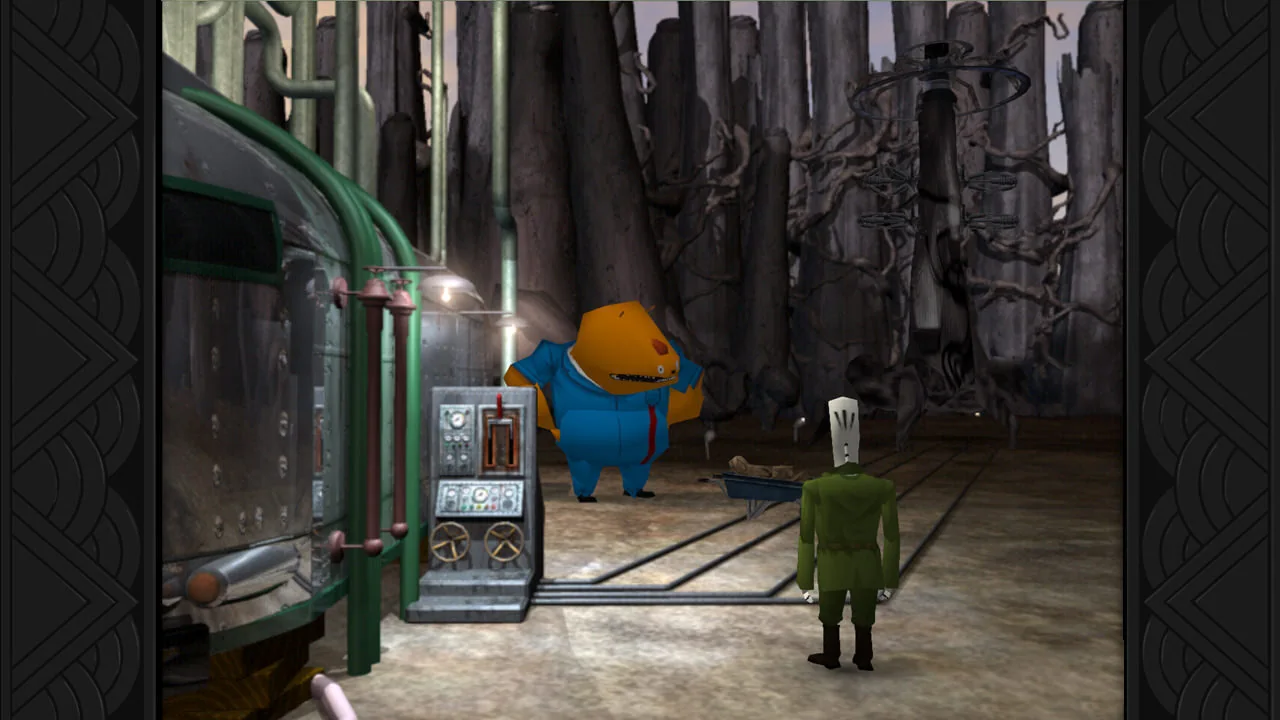
Grim Fandango Remastered follows Manny Calavera, a travel agent at the Department of Death, through a conspiracy in an afterlife shaped by film noir and Mexican folklore. Its story spans four years in Manny's journey. Those are narrative years, not a statement about the number of hours required to play.
The remaster includes refreshed character textures and lighting, an orchestral recording of the score, commentary and concept art. It is the strongest thematic fit here if you want the distinctive atmosphere of an afterlife mystery. Someone already invested in Manny's story may reasonably prioritize continuing it over starting either of the other remasters.
Before beginning from scratch, decide whether you want to move toward an ending during current access or simply discover whether this is a game you want to own. Both are useful outcomes. Sampling the opening is not a failure because a removal notice exists, and preserving your curiosity can matter more than trying to clear every associated achievement in a hurry.
Make a realistic plan for the remaining days
On October 26, the useful planning unit is the session you can actually set aside before October 31. Count those sessions rather than the number of days on a calendar. Work, travel and other commitments can make six calendar dates contain very little uninterrupted adventure-game time.
Start by reopening the game you are considering and checking your current save. Note the location, immediate objective and any puzzle you had been working on. That small preparation step tells you more about your own starting point than a generic completion estimate, especially if you played some of the game months ago.
A story finish and an achievement sweep are different goals
Choose your primary goal before you allocate the remaining evenings. Reaching the ending, experimenting with presentation modes, collecting achievements and listening to developer commentary are different projects. The official remaster pages describe substantial extras, but those extras do not all need to fit into the same week as your first encounter with the story.
If your priority is the story, give that priority a clear place in the schedule. Leave optional feature exploration for a separate decision. If achievements are what you most enjoy, check the actual game's achievement requirements before assuming that an ordinary story playthrough will meet them. This guide does not promise a complete achievement list in one pass.
Set a limit on how long you want to spend stuck before seeking help. A narrow hint about the current objective preserves more discovery than reading far ahead in a walkthrough. Someone who prefers entirely unaided solving can make the opposite choice, but should recognize that the deadline may arrive before the ending.
Use our Game Pass calendar for the date alongside your own session plan. Reserve a little time before the final planned session to confirm that your latest save resumes correctly. Avoid leaving all checking, purchasing decisions and story progress until the last possible evening.
There is also a useful stopping point before completion: deciding that you want to keep the game for a more relaxed playthrough. A subscription departure changes the access arrangement, not the value of taking your time. If a hurried ending would undermine the part you enjoy, inspect an appropriate purchase option instead of making the notice dictate how you experience the whole adventure.
Buying a game and keeping progress require separate checks
Before paying to continue, identify the version you are currently playing. A game title is not a complete description of a software license or save system. Record the platform, store, Microsoft account or other account, and exact remastered edition so that you can compare the purchase against the experience you want to preserve.
The official Full Throttle page, like the other remasters' pages, links to several storefronts. Those choices are useful, but their existence does not guarantee that every store accepts the same save files or grants access on every other device.
Match the platform and exact remaster before buying
If your objective is continuing an existing Xbox session, inspect the Xbox product listing and its supported platforms first. If your objective is moving to a different PC storefront, investigate that release's save support before treating a lower sale price as an equivalent continuation route. The cheapest purchase only solves your problem if it grants the access you actually need.
Double Fine's Grim Fandango save-support page illustrates why specificity matters: it separates save-location guidance by operating system and release. That is useful title support, not a universal promise that Xbox, Microsoft Store and Steam progress automatically migrate between each other.
Keep a note of your current checkpoint and confirm that the expected save appears when you resume. A screenshot can help identify progress if you need support, but it is not a replacement for a save file. Avoid deleting local or cloud data merely because you are changing the way you license the game.
Xbox's catalog page advertises member discounts of up to 20 percent on departing games. Check the signed-in price for the actual product rather than assuming a guaranteed percentage or that the member offer is always the best available sale. There is no need to buy every remaster just because all three share a deadline.
A downloaded game is not permanent subscription ownership
The official PC Game Pass FAQ describes library access as lasting until a subscription expires or a game leaves. Installation and entitlement are separate. Keeping files downloaded does not turn subscription access into an owned copy after the catalog permission ends.
For cloud-only play, make one additional check before buying: whether the title remains supported through the streaming route and plan you intend to use. Buying a license and obtaining a cloud delivery service are different parts of that plan. Do not assume a departing catalog listing guarantees indefinite future streaming of a purchased copy.
Our membership guide helps separate those benefits. The practical goal is straightforward: preserve the account and progress you care about, obtain the correct software entitlement if you want it, and verify the device or service needed to keep playing.
What this announcement says about the rest of the catalog
The confirmed news is limited to three named remasters and their announced departure. It does not establish a departure date for every other Double Fine game, a studio-wide prohibition on future Game Pass releases or a schedule for these remasters to return. Check any additional title on its own evidence.
A useful way to read the next headline is to identify exactly what has changed. Is there a new dated Xbox removal notice? A studio announcement about a particular game? A storefront product page? Or simply a discussion extrapolating from October's list? Those sources answer different questions and should not be merged into one larger announcement.
Historical labels need similar care. A store entry may preserve a publisher name associated with an earlier release, while a current corporate statement describes a later ownership transition. Neither label alone replaces the game's current membership listing or the official notice of a scheduled departure.
If another Double Fine title is in your backlog, check its current availability before making a purchase or rearranging the week around a predicted removal. A game not named in this notice is not thereby guaranteed to stay forever, but it also has not acquired an October 31 deadline merely by sharing a studio association.
For discoveries after these departures, our new Game Pass games page helps organize incoming titles. Keep that discovery list alongside the leaving-soon list so that catalog changes become concrete decisions about what you want to play, rather than a general assumption that every related game is about to disappear.
For this week, choose the remaster whose experience you actually want, check the current save and decide whether included access is enough. If you want to continue later, inspect the correct purchase and platform support while there is time to resolve questions. The combination of a verified deadline and a realistic personal plan is more useful than a confident guess about the private reason behind the removal.
Comments
Comments are reviewed before publication. Please keep the conversation helpful and on topic.
Sign in with Google to leave a comment.
Loading comments…