
No, Xbox has not officially announced that Game Pass will stop carrying day-one games in 2027. A September report based on an anonymous forum source claims that a broad restructuring could remove new releases from the service between February and April 2027, introduce advertising, and split cloud and family features into add-ons. Xbox responded that it has no finalized changes to announce and that previously announced games coming to Game Pass Ultimate on day one are unchanged.
That response protects known commitments without writing a permanent rule for every unannounced game. The accurate position on September 19, 2026 is therefore narrow: the overhaul is a rumor, current announced releases remain on track, and Xbox has not published its 2027 plan structure.
The Short Answer: Day-One Games Have Not Been Officially Ended
Several claims are circulating together, which makes repetition look like confirmation. They all trace back to reporting on the same alleged plan rather than multiple official announcements. The table separates the current evidence.
| Claim | Status on September 19, 2026 | What readers can rely on |
|---|---|---|
| Game Pass will end all day-one releases in spring 2027 | Unconfirmed rumor | Xbox has not announced this change |
| An ad-supported plan will cost $12.99 per month | Unconfirmed rumor | No official plan page or price announcement supports it |
| A no-ad plan will cost $19.99 monthly or $239.99 annually | Unconfirmed rumor | Treat the numbers as alleged, not shopping guidance |
| Cloud and family access will become separate $5.99 add-ons | Unconfirmed rumor | No finalized add-on terms have been published |
| Previously announced Ultimate day-one games are changing | Denied for current commitments | Xbox says those announced releases remain unchanged |
| Xbox is testing different Game Pass offerings | Confirmed in the company response | Testing does not prove that a leaked design will launch |
The safest way to plan is game by game. If Xbox Wire, the product page, or a current Game Pass announcement names a release as day one for Ultimate, use that specific commitment. Our verified 2026 day-one calendar tracks announced games rather than projecting a universal policy into 2027.
A denial also has limits. Xbox did not promise in its response that the present structure will stay unchanged forever. Subscription services revise catalogs, benefits, and prices. The conclusion supported by the evidence is “not announced and not finalized,” rather than “the rumor can never happen.”
Where the 2027 Game Pass Rumor Came From
The current story begins with claims posted by a pseudonymous ResetEra user, then moves through news reports, reaction videos, social posts, and community threads. Those later pages can be useful summaries, but ten articles repeating one forum post do not create ten independent sources. The original evidence remains a leak claim without a published Microsoft document.
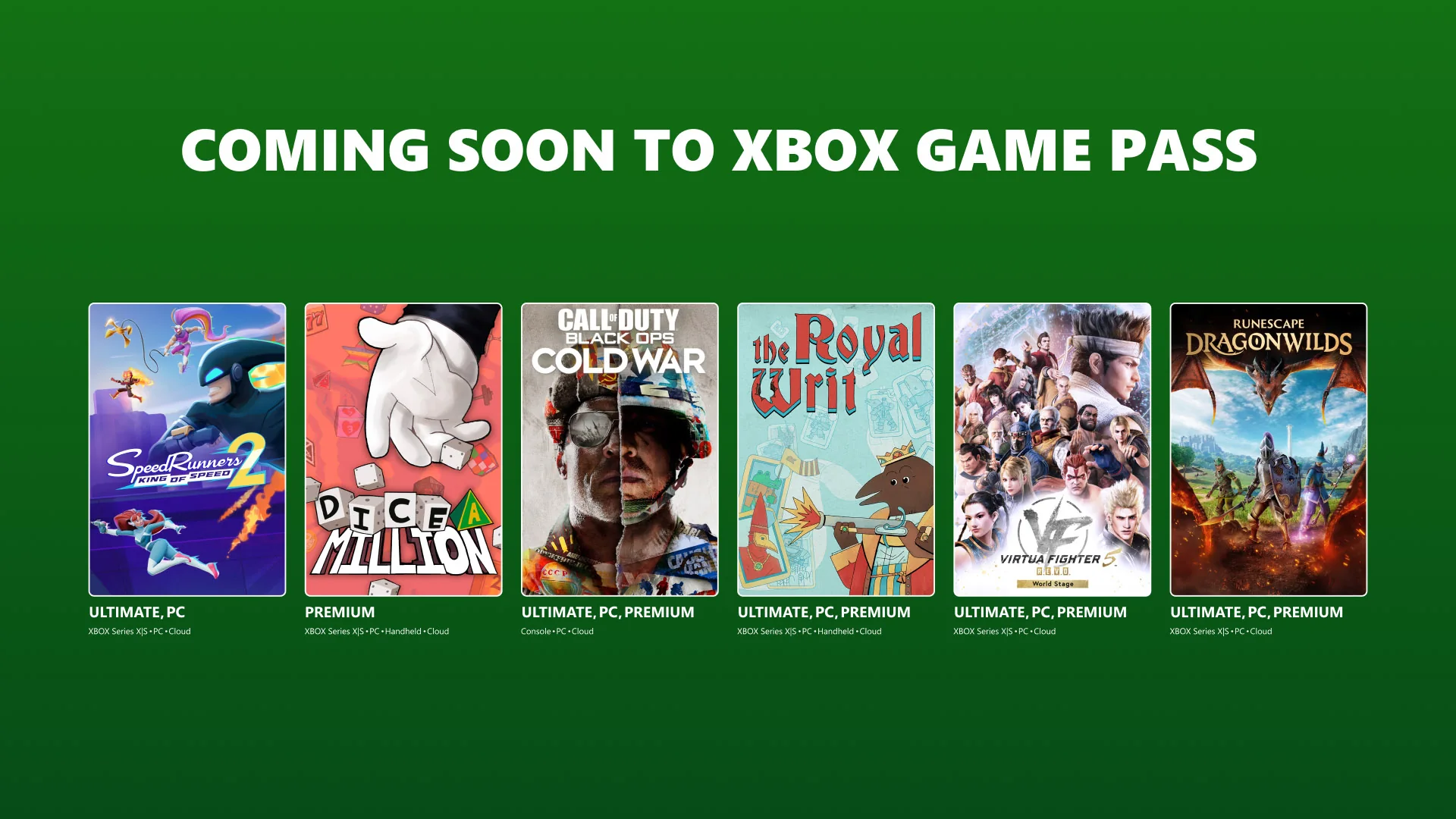
The Leak Claims Day-One Releases Would Stop in Spring 2027
The most consequential claim says new games would stop joining Game Pass on their release dates sometime between February and April 2027. Reporting on the post also describes a small price reduction after that benefit disappears. No Xbox Wire announcement, Microsoft plan page, investor filing, or signed-in subscriber notice currently sets that timetable.
A date range can make a rumor feel like an implementation schedule. It may instead show uncertainty. “February through April” spans several billing cycles and leaves open whether the alleged change applies to first-party games, third-party day-one agreements, every membership, selected franchises, or releases announced after a cutoff. The original claim cannot answer those product questions with the authority of final terms.
Prior accuracy is relevant to how reporters assess a source, but it is not transferable proof. Someone who correctly described an earlier plan change can still receive an outdated proposal, misunderstand a test, or be wrong about the next one. Large subscription businesses routinely model several packages before choosing one. A slide, survey, internal discussion, or market test may be real without becoming a product.
The wording also matters. “All day-one games are ending” is broader than the cited Xbox response and broader than many plausible plan changes. A specific franchise could move out, one tier could lose access, new commitments could change, or the current model could remain. Until Xbox defines scope, turning a leak into a universal rule adds information that the source did not establish.
Ads, Lower Prices, and Separate Add-Ons Are Part of the Same Rumor
The alleged overhaul is larger than day-one access. Reports describe a $12.99 monthly ad-supported option, a $19.99 monthly or $239.99 annual version without ads, and separate cloud-gaming and family add-ons at $5.99 each. The main no-ad price would allegedly fall by $3 when day-one releases disappear.
Every one of those figures is unconfirmed. They should not be used to buy a long code, cancel a current membership, or calculate next year's gaming budget. Currency, tax, region, annual commitment, ad format, eligible catalog, concurrent users, and cloud allowance would all matter even if the broad concept were accurate. None has a final public product page in the checked sources.
The claims also depend on one another. A lower base price makes sense in the leak because benefits move into add-ons. If Xbox chooses a different cloud model, keeps day-one releases in Ultimate, or tests ads only in selected markets, the rumored price comparison breaks. Readers should resist debating whether $12.99 is “worth it” before the service being priced exists.
Xbox did acknowledge that it regularly tests different Game Pass offerings for different markets. That is normal product work and leaves room for future change. It does not authenticate this exact package. The difference between “the company tests plans” and “this leaked plan launches next spring” is the central fact-check.
What Xbox Actually Said About the Report
Xbox's response contains three useful boundaries. The company tests offerings, it has no finalized plan or change to announce, and previously announced Ultimate day-one releases are not changing. Reading only one clause produces either false reassurance or unnecessary panic.
Xbox Says No Plans Are Finalized or Ready to Announce
The testing clause explains why a source might encounter a proposal that resembles a future product. Xbox could survey a lower-priced ad option, model cloud as an add-on, or compare a catalog without day-one releases. Product testing is evidence that options are considered, not that one option has passed legal, financial, technical, and executive approval.
The “no finalized plans” part prevents the alleged prices and spring timetable from being treated as settled. It is more meaningful than a refusal to comment because it directly addresses finalization. It is less conclusive than a promise that day-one access will never change. Companies can finalize a different plan later, and the current statement would still have been accurate when issued.
This distinction matters for headlines. “Xbox confirms no day-one change ever” would overstate the response. “Xbox confirms it will end day-one games” would contradict it. A careful headline says Xbox has not finalized or announced the rumored overhaul and keeps present commitments intact.
The response also supplies no hidden product list. It does not tell readers whether ads are being tested, what a family option would contain, or whether cloud becomes a separate purchase. Anyone attaching those details to the company's words is importing them from the leak.
Previously Announced Ultimate Day-One Games Remain Unchanged
The strongest practical sentence protects games already announced for Game Pass Ultimate on their launch dates. Three boundaries deserve attention:
- Previously announced: the game needs a public commitment that predates or accompanies the response.
- Ultimate: the statement names this plan, so it should not be broadened to every tier.
- Day one: it protects the timing commitment for those games, not every edition, add-on, early-access window, or premium upgrade.
If an Xbox Wire post says a named game launches day one on Ultimate, that is stronger than a generic marketing memory or store filter. Save the source and check the exact edition. “Included on release day” may refer to the standard game while a paid premium upgrade starts earlier, and a PC version may have different platform requirements.
Our day-one calendar is built around individual announcements for this reason. It can be revised when a date moves or a publisher clarifies platforms. A policy rumor should not erase a specific commitment that Xbox has explicitly said remains unchanged.
For 2027 games that have not been announced, the statement supplies no automatic answer. Wait for a named release, plan, platform, and timing. That is a narrower conclusion than many subscribers want, but it is the one the evidence supports.
What Is Confirmed About Day-One Access Today
Game Pass is not one undifferentiated promise. The useful unit is a named game attached to a plan, platform, edition, and date. Xbox's September Wave 2 announcement, for example, lists games individually rather than saying every new release enters every membership. That structure is the model readers should follow.
Day-One Access Depends on the Current Plan and Exact Game
Before subscribing for a launch, verify five points:
- The announcement names the exact game, not its franchise or an earlier installment.
- It says “day one” or gives an inclusion date that matches the release date.
- It names the membership you intend to buy.
- It includes the platform you will use: console, PC, or cloud.
- It identifies the base edition and does not confuse a premium upgrade with the included game.
A store page can show several products with similar art. The standard edition may be included while a Deluxe or Premium Edition remains paid. An upgrade can offer cosmetics, DLC, or several days of early play without replacing the base-game entitlement. “Day one on Game Pass” does not necessarily mean the earliest paid access window.
Plans also matter. A current Ultimate commitment cannot be silently expanded to Essential or Premium just because all three share the Game Pass name. Use our maintained plan comparison for the current benefit structure, then open the game-specific source. If a page lists PC but not console, or Series X|S but not Xbox One, the missing platform should not be inferred.
An Announced Release Is Stronger Evidence Than a General Promise
Evidence strength can be ranked. A dated Xbox Wire announcement or publisher release naming the game, plan, platform, and date is strongest. A current Xbox product page or signed-in Game Pass card is useful confirmation. The live new-games page helps monitor what has actually entered the catalog. A journalist's sourced report can explain a developing change, but it remains below published terms. A forum post, screenshot without context, or repeated social caption is a lead to investigate.
Past behavior is weaker still. Microsoft owning a studio, a franchise previously appearing on Game Pass, or an executive making a broad promise years ago does not establish the current edition and timing. The rumor itself demonstrates why: plan design can change, and exceptions can emerge before the marketing shorthand catches up.
Official evidence can also change. A game may be delayed, a regional release can differ, or a platform can move. Recheck the source near launch and use the current day-one calendar as a planning tool rather than a lifetime guarantee. A changed date is not proof that the 2027 restructuring rumor was correct; it is a game-specific update.
Why the Rumor Has Subscribers Worried
Day-one releases change subscription math. A player who would otherwise buy two $70 games can justify several months of Ultimate if both arrive in the membership at launch. Remove those releases and the same person may be paying mainly for an older catalog, online features, cloud access, or perks. Those benefits can still be valuable, but the reason for subscribing has changed.
Community threads responding to the rumor repeatedly raise this issue. Some users say they would cancel and buy the few new games they actually want. Others would accept fewer day-one titles if the base subscription became meaningfully cheaper. Another group dislikes the alleged add-on structure because the final combination of catalog, multiplayer, cloud, and family access could cost more than a simple headline price suggests.
These reactions are player opinions, not confirmation and not a representative poll. They still reveal four legitimate decision points:
- Purchase timing: a subscriber may wait for a promised day-one release instead of preordering.
- Annual commitments: a long code is harder to value when next year's benefits are unknown.
- Trust: frequent tier changes make simple marketing phrases feel temporary.
- Fragmentation: a low advertised price can be misleading if desired features require several add-ons.
There is also a business counterargument. Day-one access can reduce the number of copies sold at launch, particularly among the most engaged Xbox players. Running a large catalog, funding development, and supporting cloud delivery cost money. Some commentators argue that fewer day-one releases could produce a more sustainable service or restore perceived value to individual games.
Subscribers do not need to settle that industry debate to make a personal choice. They need to know how many current games they use, what they would have bought without Game Pass, and which benefits require the plan. Our PC Game Pass value test shows the same principle: use actual hardware and play habits instead of dividing a catalog count by the monthly fee.
The worry is therefore understandable even while the policy remains unconfirmed. The rumor targets the benefit many players use to justify staying subscribed continuously. That makes precise labeling more important, because an inaccurate “confirmed” headline can affect purchases before Xbox has announced anything.
How to Evaluate the Next Game Pass Leak
Game Pass rumors spread quickly because plan names, prices, and catalogs already change often. A repeatable evidence test is more useful than memorizing which social accounts were right last time. The goal is not to dismiss every leak; it is to keep the confidence level proportional to what can be checked.
Check Whether the Source Is Reporting a Document, a Named Statement, or a Forum Post
Ask six questions before acting:
- Who made the original claim? Find the first post rather than a screenshot of a headline.
- What evidence is described? A product page, internal document, survey, source conversation, and personal prediction are different things.
- Is the source named? An anonymous source may need protection, but the reader cannot independently assess access or motive.
- Did another reporter independently confirm it? Rewriting the first story is repetition, not corroboration.
- Did Xbox respond to the specific claim? Read the wording rather than relying on “responds” in a headline.
- What would count as final confirmation? For a plan, expect official terms, price, market, launch date, and a way to subscribe.
Precision can be persuasive without being proven. The current leak contains several exact prices and a spring window, but reporting has not published a final Microsoft plan document. Those numbers belong in a rumor summary, not a comparison calculator.
Anonymous reporting can become correct, and companies sometimes avoid confirming products early. The responsible response is not “anonymous means false.” It is “do not spend or cancel as if this were final.” Confidence should increase when independent evidence appears.
Separate Current Game Commitments From Future Plan Design
Create two lists. The first contains games you actually intend to play, their announced dates, platforms, plans, and source links. The second contains possible 2027 plan changes. Only the first list should guide a purchase today unless the subscription itself extends into the uncertain period.
This prevents a broad rumor from overriding a named commitment. If Gears of War: E-Day has an official Ultimate day-one announcement, an anonymous claim about spring 2027 does not remove it. If an unannounced 2027 game has no Game Pass statement, current marketing does not add it automatically.
Use the live Game Pass new-games page to confirm arrivals and the official plan page to confirm benefits. Recheck near release. If Xbox publishes a new 2027 structure, compare its effective date with the date of the game and with the membership's billing period rather than assuming every account changes instantly.
This separation also makes corrections easier. A delayed game changes one line in the current list. A finalized plan redesign changes the future-policy list. Neither event proves every other rumor detail.
What Subscribers Should Do Before Xbox Announces Any 2027 Changes
If you subscribe month to month for the general catalog: judge the plan by what is playable now. There is no need to cancel solely because of an unconfirmed spring rumor, and there is no reason to ignore current dissatisfaction while waiting for 2027. Check renewal, play history, and the next month's announced games.
If you subscribe for one named day-one launch: keep the official announcement and verify the exact plan and platform. Time the membership around the actual release instead of maintaining it indefinitely for an uncertain future game. If the date moves, adjust based on the new official date.
If you are considering a long code or stacked membership: the uncertainty matters more. Read the current conversion terms immediately before purchase, use an authorized seller, and decide whether the present benefits justify the entire prepaid period. Do not assume a rumored 2027 price creates a bargain today. Our Game Pass code guide explains edition, region, redemption, and seller checks that also apply to personal purchases.
If you are ready to cancel: use the Microsoft account that owns the membership and review the displayed end date and recurring-billing choice. Do not assume cancellation automatically creates a refund. Save any confirmation. A future announcement can justify resubscribing later; cancelling now does not require predicting that the leak is true.
Are previously announced 2026 day-one games safe? Xbox says there are no changes to previously announced games coming to Ultimate on day one. Still check game-specific dates and platforms because schedules can move.
Is the rumored $12.99 ad plan real? It has been reported as part of the leak, but Xbox has not announced that product or price. It should not appear in a current plan comparison as an available membership.
Did Xbox deny every possible 2027 change? No. It said no plans are finalized or ready to announce and protected prior game commitments. That leaves future design open without confirming the leaked design.
When should subscribers reassess? Reassess when Xbox publishes plan names, final prices, included benefits, market availability, and an effective date. Then compare the new terms with the live Game Pass plan guide and the games actually intended for play.
For now, the answer remains disciplined rather than dramatic: Game Pass day-one releases have not been officially ended for 2027. The alleged overhaul is detailed, widely discussed, and unconfirmed. Current announced Ultimate releases remain unchanged, while the policy for unannounced future games is unknown.
Comments
Comments are reviewed before publication. Please keep the conversation helpful and on topic.
Sign in with Google to leave a comment.
Loading comments…